What does Osteopathy involve?
The initial consultation begins with the Osteopath taking a detailed case history of your current concerns, medical & family history, trauma history and medication taken.
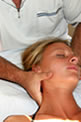 Osteopaths have a sound knowledge of medicine and are able to identify possible underlying health problems you may have in addition to your presenting problem. The Osteopath will then examine your posture and the area of pain, for which you may need to remove the outer layers of clothing. Once a diagnosis is formulated and explained to you, treatment can commence. Treatment is non-invasive, gentle, safe and generally pain-free.
Treatment will consist of a variety of combined gentle and safe techniques, including:
- Spinal manipulation
- Cranio-sacral osteopathy
- Soft tissue massage
- Mobilisation
- Myo-fascial dry needling
- Postural and ergonomic support
- Specific exercises and stretches.
At the end of the treatment, you are often given advice, exercise and an idea of whether future treatments are necessary. Our aim is to find the most efficient path to functional recovery.
Appointments last 40 minutes.
Osteopathy Tesimonial Star Image
"I have been amazed at how much relief from pain I always feel after each session and how long the relief lasts."